GEO/AEO
We decide where you need to show up when the answer comes from AI, not a search page, and build toward it.

Buyers don't always type a question into a search bar anymore.
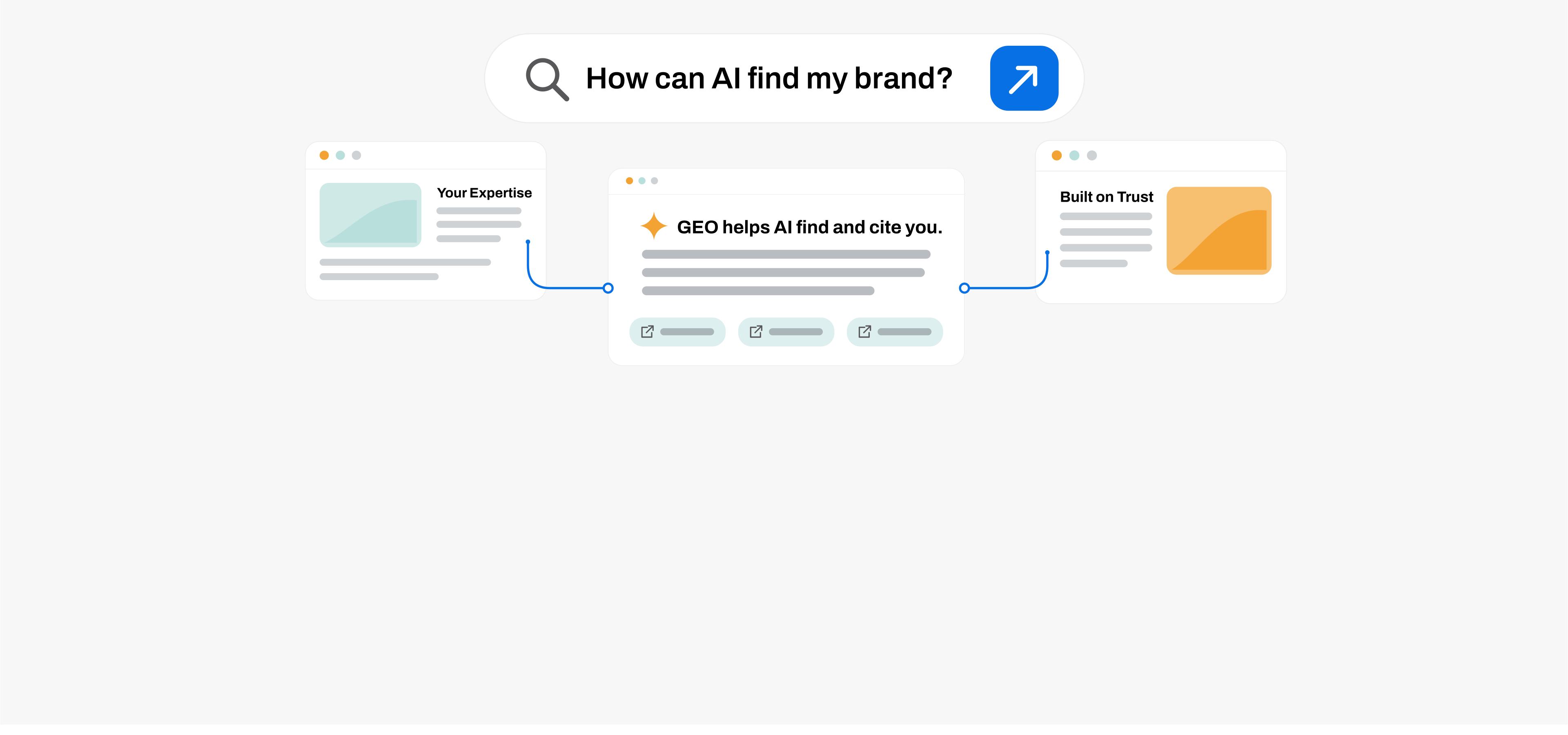
A lot of them ask an AI tool directly, and that answer comes from somewhere. If you're not part of what it pulls from, you're invisible before the conversation starts, no matter how good your old SEO is.

What's included
AI Readiness & GEO/AEO Audit, a fast, flat‑fee read on where you show up now and where you don't.
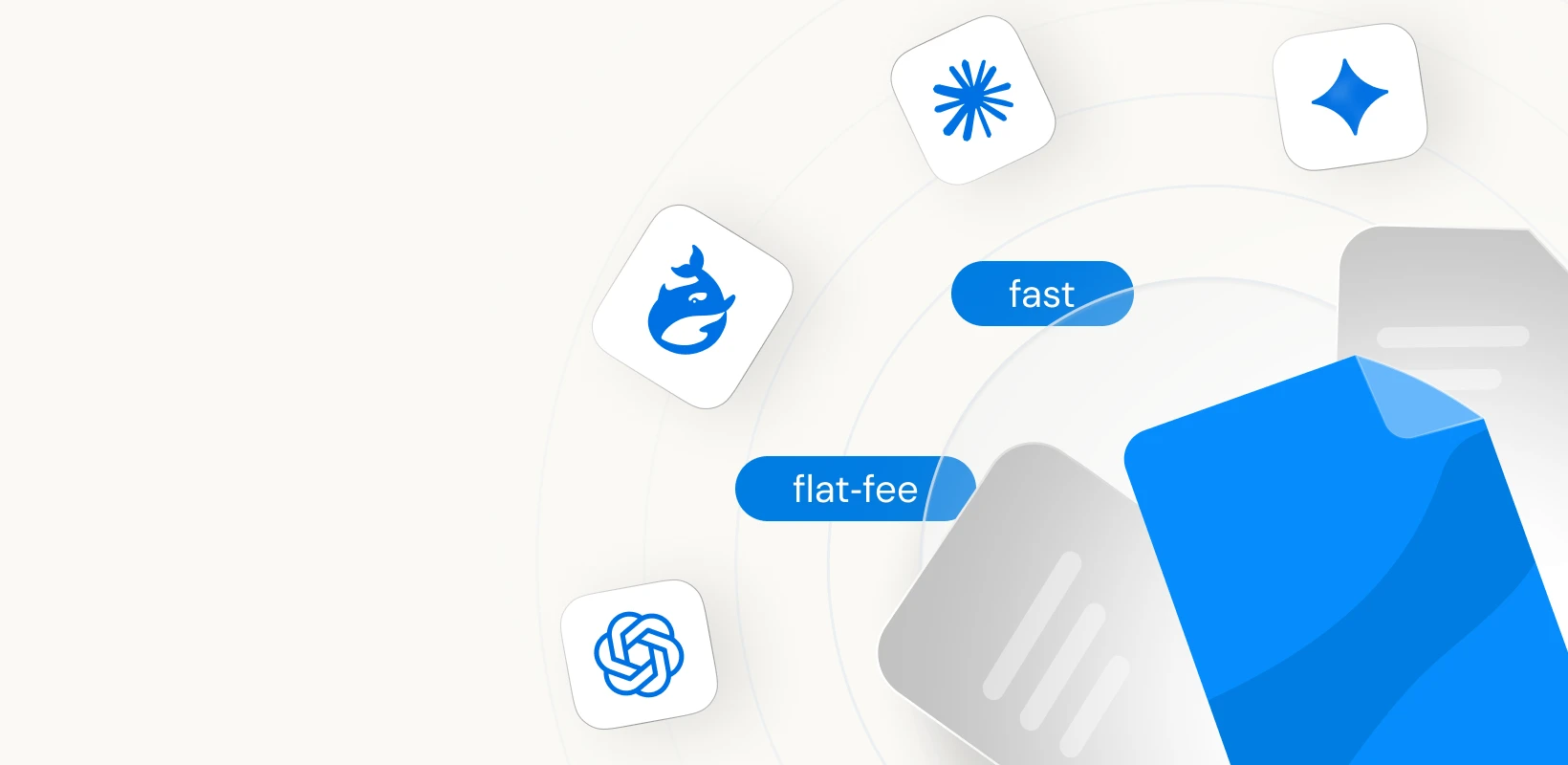
Content and structure built to get cited by AI tools, not just ranked by search engines.

Ongoing monitoring as the answer engines change, because they're not done changing.
A plan that fits inside your existing content and campaign work, not a bolt‑on nobody maintains.
How we work it
We track how AI tools are answering questions in your category right now, not guessing from a blog post about the topic.
AI helps us scan and test at a scale no person could do by hand.
What we build from that, and whether it's worth chasing this quarter, that's a call a person makes.
What to expect
It gets stronger, not replaced. AI tools lean heavily on pages that already rank and are clearly structured, so most of the work helps both: direct answers, clean page structure, structured data, and authority signals. We track your rankings and organic traffic alongside AI visibility, so you won’t lose ground in one channel while gaining in the other.
We start with a baseline. We take a set of questions your buyers actually ask, run them across the major AI tools, and record whether you show up, whether you’re cited, and how you’re described. From there, we report on how often you appear compared to competitors, how often your pages are cited as sources, and how much traffic comes from AI tools. We also tie that traffic to the leads and pipeline it produces.
The audit takes [X weeks]. Tools that search the live web, like Perplexity and Google AI Overviews, can reflect changes within weeks. Showing up consistently across every tool takes longer, usually months, because some models update less often. We’ll tell you up front which gains are realistic this quarter and which are a longer build.
AEO (answer engine optimization) is about structuring content so it becomes the direct answer to a question. GEO (generative engine optimization) is about becoming a source that AI tools like ChatGPT draw from and recommend when they write a response. The two overlap heavily, so we treat them as one discipline.
Possibly. Ranking well doesn’t guarantee you’ll be cited. AI answers usually name only a handful of sources, and those are often competitors, review sites, directories, or forums. The audit shows whether you have a gap before you spend anything more.
We adjust the mix based on where your buyers actually look.
On your site, that means content rewritten to answer questions directly, new pages for the comparisons and questions buyers ask, structured data, and making sure AI crawlers can reach you. Off your site, it means consistent information about your company across the web, plus the reviews, listings, and third-party mentions that AI tools trust.
It happens more than most brands realize. We find where the wrong information comes from, correct it at the source where we can, and publish clear, authoritative content so the accurate version is easier for AI tools to find.
No, and anyone who promises that is overselling. No one controls what AI tools say. We improve the odds by giving those tools better sources to draw from, and we measure the results so you can see what’s working.
It doesn’t have to be. After the audit, the work usually fits into the content and campaign work you’re already doing rather than being added on top of it.